Prevention is Working in Louisiana: Residents are experiencing lower rates of sexual violence, so the work must continue and grow!
Sexual violence, including forced sex, sexual harassment, and sexual coercion, has declined between 2023 and 2025 in Louisiana, according to the Louisiana Violence Experiences Survey (LaVEX). LaVEX is conducted by the Newcomb Institute at Tulane University and is the only comprehensive, population-level survey on violence in Louisiana and one of the few such studies in the United States. LaFASA is a proud partner in this survey.
LaVEX is an important resource for many reasons, including the range of behaviors it captures (including the spectrum of sexual violence, physical violence, harmful policing) and its analysis of the connections between violence, health disparities, and socioeconomic conditions. Statistics that use formal reports (such as law enforcement, Title IX and Clery Reports, and EEOC complaints) or rely on help-seeking by survivors (such as the number of survivors who sought services at sexual assault centers) are often higher in communities where there is robust outreach, a strong and trauma-informed response network, and survivors feel that making a report will make a difference in their lives and communities. In Louisiana, only 3% of women and 8% of men who experienced sexual violence in the past year filed an official report or complaint.
Rates have declined for several forms of sexual violence, which means the preventative work being done is making an impact, therefore we must continue and expand these efforts. Federal funding is the only dedicated prevention funding for sexual assault centers to do prevention work; LaFASA works closely with the Louisiana Department of Health, the Centers for Disease Control and Prevention, and the six centers that receive this funding to implement robust, locally-responsive, and comprehensive programming. The state of Louisiana does not allocate any state funds for sexual violence prevention.
Sexual violence is more than a criminal justice issue. Though the only person to blame for sexual abuse, assault, or harassment is the person who committed it, there are social factors that can reduce the risk of experiencing or perpetrating sexual violence. LaVEX 2025 found that communities that experience discrimination or lack of access were more likely to report sexual violence in the past year, especially people with disabilities and lesbian, gay, and bisexual Louisianans. Louisiana residents who had difficulty affording basic needs in the past year were twice as likely to experience sexual violence in the past year. Those who were evicted in the past year were four times more likely to experience past-year sexual violence, and those who experienced homelessness in the past year were three times as likely. Louisiana’s prevention program is committed to addressing sexual violence as a community issue that is connected with other factors in people’s lives. In addition to building knowledge and skills related to sexual violence, healthy relationships, consent, communication, and boundaries, these programs work on the root causes of violence. For example, centers are working with community leaders to distribute hygiene products, improve the condition of parks and other community centers, create safer and more secure workplaces, and build financial skills.
The holiday season is in full swing, bringing parties, gatherings, and festive meals. While it appears to be a time of constant connection, many actually spend their holidays alone. For some, it’s due to limited social and family circles or a break-up/divorce; for others past trauma makes participation difficult. Whatever the reason, if you find yourself spending this season on your own, whether it’s by choice or not, just know that you truly can experience it with amazing joy. The big key is to realize if you’re all you’ve got over the holidays, then you ARE enough! All the fanfare makes it seem as connecting with friends or family or on social media are the only ways to enjoy the season, but connecting doesn’t have to be defined by those parameters. Connecting could be with people outside of a regular social circle or with yourself. And when you can control how you connect, then there is attainable peace for the holidays. If you are interested in connecting with people, then you may consider volunteering. By its nature alone, volunteering is a connection. When you offer yourself you are making a difference in the lives of other volunteers and those receiving a service. Selfless acts such as this have a way of filling your heart with warmth and gratitude, even if you had warmth and gratitude to begin with; you can never have too much of that kind of a good thing. If you begin to volunteer often, each experience will resonate with you, occupying your thoughts more than other matters. Connecting with others doesn’t always mean forming lifelong friendships. Sometimes it’s simply sharing a small, positive moment with random people you encounter. Maybe the person handing you your coffee has a cool tattoo, or the cashier at the dollar store is wearing a perfume that smells amazing. If something about them stands out, say so. These little exchanges may last only a few seconds, but they fill your soul—and theirs. The more you offer kindness, the more connected you are and the better you feel. Show yourself how much you love you and are worth special treatment by making (or taking out) your favorite meal once a week from now until after the new year. Make it a fantastic dinner (or breakfast or lunch) customized JUST to you and don’t hold back. Decorate the table with fresh flowers and use your best dishes and flatware. Drink your favorite drink and have dessert! You deserve only the best. If there are leftovers, then bonus, they can be used for future meal preps. If spirituality or faith is part of your life, consider attending a service—online or in person. Sharing space (even virtually) with others who hold similar beliefs can create a sense of belonging and uplift your spirit. With countless livestream services and recordings available, you can view according your schedule. Moments of spiritual unity, whatever that looks like for you, can remind you that you’re supported in ways that go beyond routine interactions. Connecting with someone or something that is of a higher power builds confidence in knowing that while you may be single, you are not alone. You can also have a holiday movie marathon. Pick a list of films—heartwarming, funny, nostalgic, or anything that brings you joy—and watch one or maybe even two each night. Add cozy touches like hot tea or cocoa, popcorn, or a crackling fire if you have a fireplace. This routine can become a comforting highlight of your day, whether you unwind after work or if you’re working a later shift, you can start your morning on a peaceful note. It sets precedent for starting the day on the right foot and spreading a cheerful attitude to others as you work. If you really want to indulge in an activity that not only occupies your mind, but increases your aptitude and understanding, then find a skill you’ve always wanted to master, work on the skill and think of ways you can use this skill to improve others’ lives. For instance, if you like to work on cars, find a way to increase your knowledge surrounding car issues. Perhaps your background is combustible engines, but you want to learn about electric cars. Or perhaps you want to start your own side gig making quilts. Or perhaps you like to cook and always wanted to try your hand at cake decorating. There are thousands of how-to videos on YouTube, Vimeo, Udemy, and more. You can actually become an expert at your own pace. An activity such as this occupies your mind, adds substance to your life, and when you share your skill, it adds substance to others’ lives, too. If you celebrate Christmas, then on Christmas day create a cozy atmosphere in your home. Light candles that have a “Christmasy” smell, such as evergreen or vanilla or peppermint. Take a long bath with cranberry bath bombs. Use a rich oil to moisturize your skin while drinking a nice tea or a glass of wine. Do your hair, make-up, and put on a special outfit. Take extra time fixing your special meal to be on Christmas day. Give yourself a gift(s) that was/were wrapped in advance. Spend time prayerfully thanking God for sending His son. During Hanukkah, you can do the same thing–celebrate each day and on the final night, light all eight candles of the menorah plus the shamash. Have your special spa-day and dress up. For your special meal, enjoy potato pancakes and sufganiyot (jelly-filled doughnuts). Give yourself gelt. Thank God for the miracles performed during Hanukkah. Position the menorah in a visible location to laud the miracle. If it’s Kwanzaa that you celebrate, then try the things discussed in this article to recognize unity, self-determination, collective work and responsibility, cooperative economics, purpose, creativity, and faith. Whatever your faith, simply practice gratitude. Take time to reflect on what you’re grateful for and focus on the positive things in your life. When we’re grateful for the things we do have, we forget the things we don’t have or they seemingly feel less important. And truly, it is a great time of year to reflect on the blessings that are present. Sometimes it can be challenging to be alone for the holidays. Focusing on the things you can touch, see, smell, and control will change your experience to make the holidays enjoyable and fulfilling. It’s a great time to start your very own new traditions or skills that will naturally increase those serotonin levels. Your presence, your well-being, and your happiness matter. Just remember, you ARE enough.
If the current political climate is going to be a source of strife at family gatherings this year, there are solutions to keep peace.
Are you one of many Americans who are dreading the holidays because of the current political landscape? Some of us have very divided political opinions within our families. Politics can feel intensely personal, and certain values and beliefs can be close to our identities. Many people have very good relationships with family outside of politics, so that being said…is politics worth burning your bridge with family? If you have an overall positive family relationship outside of politics, it probably is worthwhile to maintain those bonds. Here are some strategies to help bridge the divide, keep your relationships strong, and be the calmer voice.
1. Start on a Positive Note Begin by sharing good memories or funny holiday stories. Reminiscing together about past gatherings, family traditions, or hilarious mishaps can set a warm, friendly tone for everyone. Bring up shared experiences that unite your family—maybe there was a time “dad” or “mom” got lost on a road trip and didn’t ask for directions, or when a holiday dish went humorously wrong. Laughter is a powerful connector.
2. Steer Away from Emotional Reactions If a political topic does come up, try to respond with curiosity rather than passion. Ask questions or gently shift the conversation back to more neutral political topics that most people share. Take a deep breath and remember that not every comment requires a reaction. Staying calm helps everyone feel more comfortable. Consider sharing how you’re trying to learn from others and respect different views, rather than seeing the conversation as a debate. Encourage those around you to reciprocate and match your emotion and attitude. Remember they can learn from you if you can be the calming voice.
3. Focus on Love and Family Bonds Remind everyone, either directly or through your actions, that family bonds are much stronger than political opinions. Share something you appreciate about each person at the gathering—it could be as simple as how much they make you laugh or the kindness they show others. Love is a far deeper connection than any political stance. Make a conscious choice to focus on the things that bring you closer, not those that divide. Sometimes, saying, “I’m just glad we’re all together” can defuse tension and remind everyone of what truly matters.
4. Set Boundaries with Humor If all else fails, gently ask for family to respectfully not talk politics. Say with a smile and bring in the humor, “How about a holiday rule—no politics while sitting at the dinner table?” or, “Every time someone brings up politics they have to stand up, turn around, and be silly before sitting back in their chair.” Perhaps create a politics “swear jar.” Humor keeps things light while also steering the conversation back to safer ground.
5. Create New, Positive Memories Sometimes, shifting focus to a shared activity, like cooking a favorite dish together or playing a game, can help build new memories and leave a lasting impression that’s entirely unrelated to politics. These moments can become the good memories you all bring up next holiday season.
If family means more to you than politics, you can be the voice of reason. By focusing on love, good memories, and staying grounded, you can help create an atmosphere that brings people together, making the holiday experience enjoyable and meaningful for everyone.
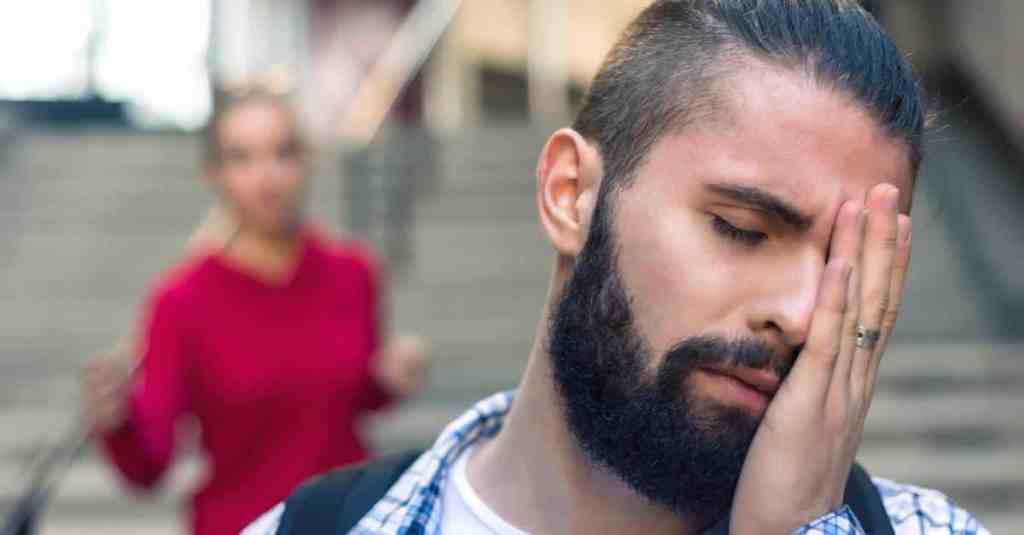
One of the most important skills we can develop is recognizing the subtle signs of struggling due to a loss of control in daily life. This could be you, a loved one, or a client. As holidays approach they tend to bring behavior shifts and changes that may not be immediately obvious—even to the person experiencing them. If thoughts or behaviors begin to veer in a direction that doesn’t make sense, then it’s a good time to do a self assessment.
Loss of control can manifest in various ways for those who’ve experienced trauma. A survivor might begin to feel as though they’re simply going through the motions, disconnected from their own decision-making. They may describe feeling like a passenger in their own life, or express confusion about how they ended up in certain situations. Sometimes, the “loop” returns. This is a cycle of living in the past, which can’t be changed. The ,”If I had only done this,” or “Why didn’t I just do that?” phrases may creep up. These phrases can plunge a trauma survivor into darker places.
Changes in decision-making patterns may appear as increased indecisiveness about simple choices, or conversely, impulsive decisions that seem out of character. A survivor might defer constantly to others’ preferences or struggle to articulate their own needs and wants. Financial instability could manifest, such as over spending. Shifts in relationships and boundaries often signal internal struggles with control. Alternatively, withdrawing from previously important relationships and activities is a more recognizable “red flag” behavior. Difficulty saying no and taking on too many commitments could be a sign of escape because the person becomes so overly involved, they do not feel a part of their own reality.
Disruptions in routine and self-care can indicate deeper issues. This might look like irregular sleep patterns, neglecting basic needs, or abandoning hobbies and interests that once brought joy.
Emotional numbness is another critical indicator. Survivors may describe feeling like they’re watching their life from outside themselves, or express difficulty connecting with their emotions.
Holidays come regardless and are celebrated by pretty much everyone; it’s hard to escape them. So, to deal with it, it’s best to create space to rebuild a sense of agency. Ask yourself or your loved one open-ended questions that invite reflection: “How am I feeling about the decisions I’m making?” or “What would feel right for you in this situation?”
Validate any experiences without judgment. Acknowledge that feeling out of control is a common response to trauma, not a personal failing. Identify even small areas where choice and autonomy can be exercised.
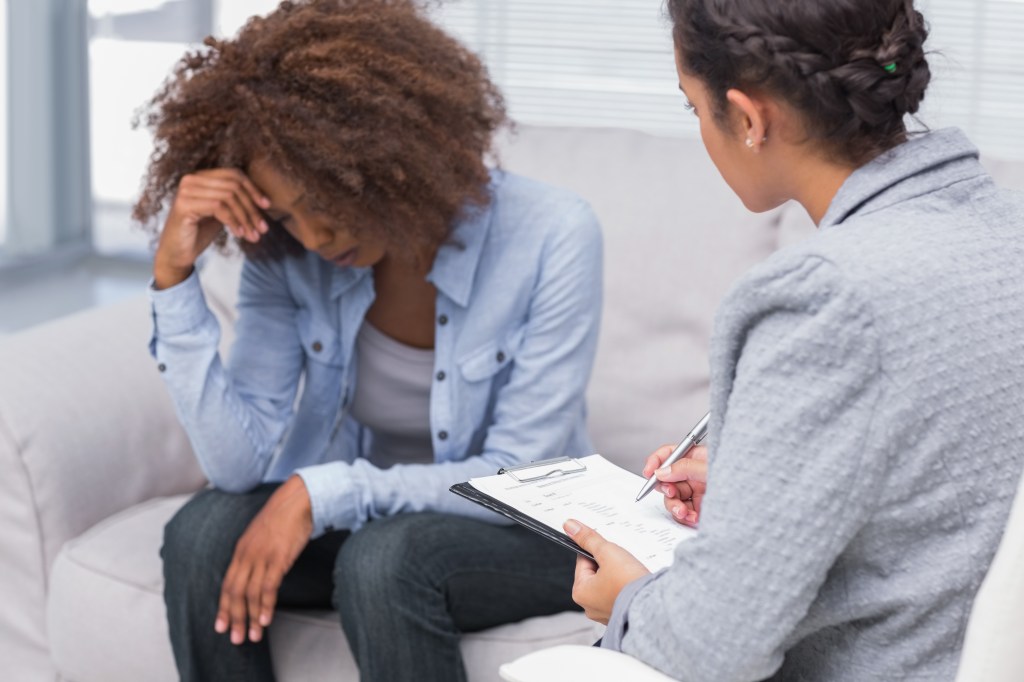
If behavior causes you or a loved one to feel too overwhelmed, then seeking the help of a mental health professional may be the next step. Professionals can offer therapy, counseling, and medication. More than likely, these solutions are just temporary to get through a rough time. There is no shame in this process and it does not equate to being weaker than others – in fact, being able to embrace your need and take charge is a strength.
Most importantly, be patient. Rebuilding a sense of control is a process, not an event. By staying attuned to these shifts and offering consistent, non-judgmental support, we can help ourselves or other survivors reconnect with their own power and agency—one small step at a time.
Did you know that during the Fall semester, the rate of someone being sexually assaulted on campus skyrockets? This period is known as the Red Zone, and it is important to be aware of what this means if you are a college student. From the start of the fall semester until around Thanksgiving break, college students—particularly first-year women—are at a much higher risk of sexual assault. Most of these incidents occur during Halloween weekend. Freshmen are particularly vulnerable because they have been thrust into a new environment and may not know how to navigate out of bad situations. The Louisiana Foundation Against Sexual Assault (LaFASA) helps those who have experienced trauma, and it is their mission to bring healing and stop sexual assault altogether.
Sexual assault on campus is not made up of random isolated incidents. Too many students believe that if it doesn’t affect them, then it is not a problem. This is far from the case. According to the World Health Organization (WHO), around 1 in 3 women has experienced some form of sexual assault. This is a drastic issue that cannot be ignored. College students must know that this issue impacts them, even if indirectly. No college is immune to campus-related sexual assault.
Sexual assault is a crime and everyone, man or woman, should be aware of the serious effects that it has on survivors. Survivors should know that there are resources available to help them navigate their journey in the aftermath. LaFASA’s website provides access to numbers that you can text and call to speak to someone about your experiences. If you don’t feel comfortable speaking to someone over the phone, find someone you trust to confide in. It does not matter how you get help…you can take back control of your life when you choose to seek help.
In conclusion, sexual assault should not be discounted or taken lightly. It is a problem that affects a countless number of people every year, especially on college campuses. LaFASA works tirelessly to make sure that these numbers do not rise and victims get the help you can need. To contact LaFASA, visit the website https://www.lafasa.org or call 225-372-8995.
As we observe Mental Health Awareness Month this May, we shed light on how survivors’ and advocates’ mental health is impacted. Sexual assault is a trauma that taxes a survivor’s mental and emotional capacity. The psychological impact roots into a person’s psyche, often manifesting in various mental health conditions that can persist long after the initial incident.
Survivors frequently experience a range of mental health challenges, including:
Depression*: Survivors are 2-3 times more likely to experience major depressive disorders compared to individuals who have not experienced sexual assault.
Post-Traumatic Stress Disorder (PTSD)*: Approximately 50% of sexual assault survivors develop PTSD at some point in their lives, compared to about 7.8% of the general population.
Suicide Risk*: Sexual violence survivors are significantly more likely to contemplate or attempt suicide, with nearly 33% of survivors reporting a suicide attempt in their lifetime.
Depression and Anxiety: The trauma can lead to deep-seated feelings of hopelessness, worthlessness, and persistent sadness. Anxiety disorders may develop, making it challenging to form relationships, maintain employment, or engage in previously enjoyed activities.
Dissociation and Emotional Numbness: We often immediately associate mental health with depression. But, many times mental health issues involve no emotion at all. In fact, as a coping mechanism, some survivors experience disconnection from their emotions or even from their own bodies, which can lead to physically harming oneself.
These issues are further compounded by external stressors, particularly financial challenges. Larger cities and rural areas in Louisiana are experiencing skyrocketing costs of living and seeing the buying power of their dollar exponentially diminish adding another layer of strain. Additional economic challenges directly related to recovery are also present as health care and mental health treatment outside of what our centers can provide is expensive and time-consuming, and not always covered by insurance. Trauma may impact job performance or one’s ability to maintain consistent employment. These pressures can exacerbate day to day challenges, creating a cycle of stress that impedes healing.
The goal to overcome and live without feeling crushed is possible. Coalition centers, while many times face the daunting reality of being understaffed, are there and are doing their best to ease the stress caused by trauma compounded by daily living.
Survivors can find additional resources that can provide ease of mind at the LaFASA website such as the most common questions asked, downloadable healing activity books and journals, brochures, a link to parish crisis centers and the statewide Helpline. The statewide text and chat helpline is worked by trained advocates who can provide resources, walk anyone through centering exercises or just “be there” for someone who needs to unload.
The need to unload is not specific to survivors. Vicarious trauma is real and can be a heavy burden on the shoulders of those who offer their care. We often think of these people as super-human or “rocks.” While very strong, therapists, counselors, advocates and family members oftentimes need to unload. LaFASA’s Crisis Support Specialists want to help and encourage those who need their vessel filled, to contact them. In addition, Via Link can serve the same purpose for both advocate and survivor. These are quick, individual sessions that are confidential, anonymous, and free and may be the spark someone needs to have a better day.
However, if you or someone you know is feeling hopeless, and are thinking about suicide, know you are loved and important, simply for being you. There is help available by calling or texting 988 to reach the Suicide & Crisis Lifeline at any time. We support and encourage anyone’s decision to make that brave move and seek outside care. Although this message appears at the end of the article, it is by no means an afterthought. Your life matters, and we want you to truly know that!
Healing is not linear, and every survivor’s journey is unique. This May and beyond, we recognize mental health and extend compassion, understanding, and persistent advocacy as powerful tools in supporting positivity and recovery.
Remember, no survivor walks alone. There is hope, there is support, and there is healing.
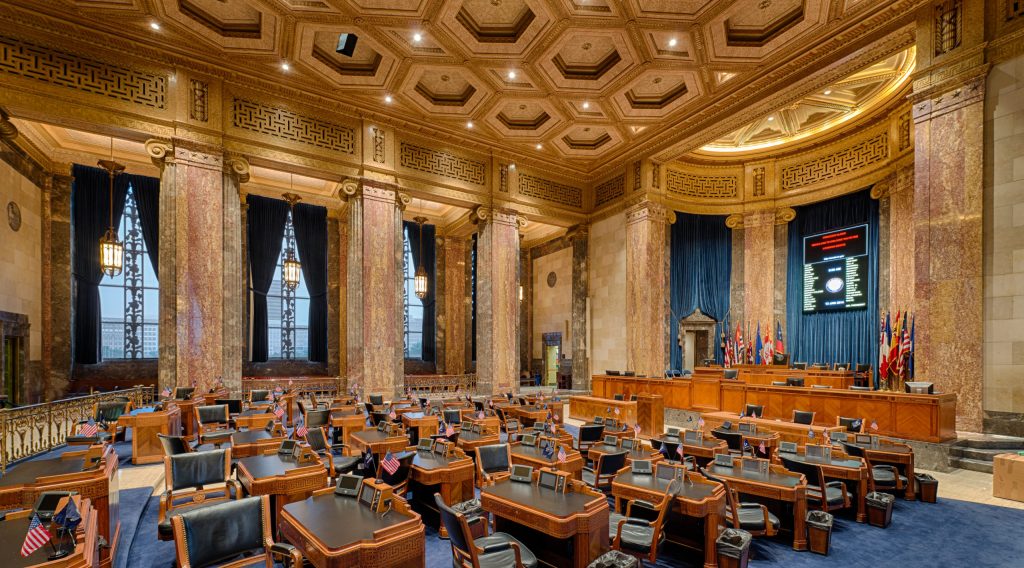
The 2025 Louisiana legislative session ended June 16. LaFASA monitored several key bills. We have updated with the latest information regarding status of each.
HB163: Funding for State Sexual Assault Centers The most impactful bill on the docket in the legislative session this year is HB163 proposed by Senator Kellee Hennessy Dickerson. House Bill 163 seeks to establish a dedicated and recurring state funding stream for sexual assault centers, domestic violence shelters, and child advocacy centers. This initiative responds to significant federal funding reductions that have jeopardized the operations of these critical support services. WWNO
Historically, Louisiana’s sexual assault centers have relied heavily on federal funding sources, such as the Victims of Crime Act (VOCA) and the Violence Against Women Act (VAWA). Recent cuts to VOCA funding—40% last year with another 40% anticipated—have threatened the closure of 12 to 14 local rape crisis centers across the state. These centers provide essential services, including therapy, support groups, emergency hotlines, and legal assistance.Louisiana Illuminator
HB163 proposes generating state funds through court fees to support these organizations, aiming to reduce their dependence on unstable federal grants. Advocates emphasize that without this state-level financial support, many centers may be forced to close, leaving survivors without access to vital resources. The proposed legislation represents a significant step toward stabilizing and sustaining services for victims of sexual assault and domestic violence in Louisiana.
UPDATE: Passed unanimously, sent to governor to sign on 6/09
Concerns: While it should be duly noted that this is a very positive move for survivors, and a great bipartisan collaboration, this fund will be sourced by fees collected from court cases. Because this stream of revenue varies from year to year, allocations from the state budget to ensure sustainability could potentially be needed-but not guaranteed.
SB152: Recognizing Trauma in Sentencing Senate Bill 152 aims to allow courts to consider a defendant’s history of sexual assault, domestic violence, or human trafficking victimization during sentencing. This bill acknowledges the complex realities that survivors often face, including how trauma can influence behavior and decision-making. By integrating trauma-informed perspectives into the judicial process, SB152 seeks to promote justice that accounts for the lived experiences of survivors.
Benefits for survivors: This bill shifts focus onto perpetrators, so as to not punish victims.
UPDATE: Did not pass.
HB531: Addresses the shortage of qualified Sexual Assault Nurse Examiners (SANEs) / forensic nurses in the state More attention is being drawn to the SANE shortage in Louisiana. One answer to this issue was the introduction of house bill 531, introduced by Rep. Travis Johnson. It focused on improving access to forensic medical examinations (FMEs), also known as “rape kits,” for sexual assault survivors. It addressed the issue that survivors sometimes had to be transferred between facilities, often even driving themselves, just to access a forensic exam. It also addressed inconsistencies in SANE coverage, with some remote and rural areas having no SANEs available.
UPDATE: Passed with bipartisan/unanimous support and signed into law on 6/ 09
Benefits for survivors: • Requires all licensed hospitals and healthcare providers to offer forensic exams to survivors of sexual assault. This should eliminate survivors’ need to travel to a specific medical facility to have a forensic exam-especially in rural areas. • Empowers the Attorney General to coordinate Sexual Assault Nurse Examiner (SANE) networks statewide—especially in rural areas—and seek legislative grants or funding to fill service gaps. • Mandates audits by the Louisiana Legislative Auditor to verify compliance, boosting transparency and incentivizing facilities to meet requirements. • There should be a nurse or doctor available in less populated areas of the state who is trained to perform this specialized exam, as opposed to some facilities that have used untrained staff in the past. This is better for a survivor who chooses to seek legal justice.
Challenges to consider: • Implementing SANEs and forensic programs statewide—especially in rural areas—may require significant ongoing funding and staffing and that stream of revenue hasn’t been fully defined. • Hospitals and clinics must now comply with audits, maintain new protocols, coordinate with AG’s office, and upgrade infrastructure—potentially redirecting funds from needed sources in smaller or under‑resourced facilities. Without strict enforcement mechanisms or dedicated funding, rural areas may continue struggling to meet standards, even with audit requirements. • Long-term success hinges on future appropriations; without consistent legislative support, the added services may be under-resourced.
HB215: Rape and Incest Exceptions for Abortion House Bill 215 proposes adding exceptions for rape and incest to Louisiana’s near-total abortion ban. Currently, the state allows abortions only if the mother’s life is at risk or in cases of “medically futile” pregnancies. Efforts to introduce exceptions for rape and incest have been repeatedly rejected. This lack of exceptions forces survivors, including minors, to carry pregnancies resulting from sexual violence which can add further trauma to the already atrocious situation.
UPDATE: Did not pass. Involuntarily deferred in committee on 6/03.
SB74: Trying Juveniles as Adults Senate Bill 74 seeks to expand the list of offenses for which juveniles aged 14 to 16 can be tried as adults, beyond the current 15 violent crimes specified in the state constitution. This measure raises concerns about the rehabilitation prospects for young offenders, many of whom may have histories of abuse or neglect. However, the people of Louisiana voted on this issue and resoundingly rejected it in March 2025. Treating juveniles as adults in the criminal justice system can lead to harsher sentences and reduced access to rehabilitative services, potentially perpetuating cycles of trauma and incarceration.
UPDATE: Did not pass. Read by title. Committee amendments read and adopted; ordered engrossed and recommitted to the Committee on Finance on 4/30
HB76: Criminalizing STI Exposure House Bill 76 proposes creating felony and misdemeanor offenses for the intentional exposure of others to sexually transmitted infections (STIs). While protecting public health is crucial, this bill could inadvertently criminalize individuals living with STIs, including survivors of sexual assault who may have contracted infections through no fault of their own. Such legislation risks could stigmatize survivors and deter them from seeking medical care or disclosing their status, thereby undermining public health efforts and survivor support.
UPDATE: Did not pass. 06/02 Received in the Senate; read by title Rules suspended.
The proposed legislation in Louisiana’s 2025 session presents a mixed landscape for survivors of sexual violence. We encourage supporters of survivors to be engaged citizens and fight for the rights of survivors. If you would like to voice your opinion, you can find your representative at the link HERE.
The Louisiana Foundation Against Sexual Assault (LaFASA) is Louisiana’s umbrella coalition made of 11 individual crisis centers and collectively, we provide services to victims of sexual assault in all 64 parishes in various capacities. We are always here for you, your family, your friends, your neighbors, your community. Federal grant funding is vital to sustaining your state coalition and 11 centers, as private donations and other financial resources fall much too short to provide adequate monetary support necessary to meet the needs of survivors in our state, and there is no state funding for sexual assault survivor services or prevention. This letter aims to highlight the essential role of your community coalition centers, the voids that they fill, and to foster your support for their continued operation.
Currently, LaFASA and the centers are among thousands of federally supported organizations that are in jeopardy of being defunded in an effort to ensure alignment with the current administration’s agenda. We understand the importance of fiscal responsibility. LaFASA and the 11 centers are held accountable by an auditor for every dollar spent. Funds are spent on counseling services, legal services, recovery services, hotline services, response services, service promotion, prevention and operating expenses.
Results are crucial. No one wants government-funded initiatives that fail to make an impact. What each center and LaFASA see every single day are success stories. It’s not one, it’s many.
Advocate l The Wellspring Counseling & Family Development Center Requests for our medical advocacy accompaniment for forensic medical exams (FMEs, [sometimes called rape kits]) have seen a significant rise, increasing by 49% since 2022. In 2022, we provided accompaniment for 31 FMEs, while in 2024, this number grew to 61. This growth reflects the increasing trust and recognition we’ve built within the community, demonstrating not only a greater demand for our services but also our continued commitment to supporting survivors through a crucial part of their healing journey.
Advocate l The Wellspring Counseling & Family Development Center A survivor in Ouachita parish was facing financial hardships and had to drop out of school due to the impacts of her sexual assault trauma, all while caring for a young child. Thanks to our free counseling services, she no longer had to choose between her mental health and paying for basic needs like rent and utilities. With her mental health now supported, she’s able to focus on her well-being, return to work, and begin rebuilding her life while providing for her child.
Detective | Criminal Investigations Division, Lafayette Police Department Hearts of Hope, its Advocates, and its staff continue to be crucial partners with the Lafayette Police in our efforts to address the problem of sexual violence. As a violent crimes investigator, I have seen firsthand how the victim services Hearts of Hope provides aid in establishing trust and rapport between Detectives and survivors of sexual assault. Without this partnership, our agency would struggle to bridge the gap between law enforcement officers and survivors.
Advocate l New Orleans Family Justice Center One of the most powerful aspects of our work is the immediate crisis intervention we provide. Our Advocates are available 24/7, often meeting survivors at hospitals in the early hours of the morning when no one else is there to support them. We’ve had survivors come to us feeling completely alone, but through our case management, legal assistance, counseling, and housing support, they find safety, stability, and hope. A particularly impactful moment was working with a survivor who had been trapped in an abusive situation for years. With our help, she was able to secure emergency shelter, obtain legal protection, and eventually gain independence. Today, she is thriving, pursuing higher education, and giving back to the community by advocating for others in similar situations. Beyond individual stories, we see systemic change happening as well. Through our community outreach and partnerships, law enforcement agencies and service providers are becoming more trauma-informed, and survivors are gaining access to more comprehensive support.
Helpline l LaFASA Our statewide text and chat Helpline is one of the few statewide text and chat crisis lines in the country. We have seen it grow from its launch from a few visitors a month to multiple visitors each week, in fact since its launch in October 2021, we have seen an over 500 percent increase in the number of visitors each month. It fills a need as many people feel more comfortable texting or chatting instead of talking. One of our visitors expressed her gratitude by commenting, “not much hope on a day to day basis, but after chatting, I actually feel hopeful,” and another commented, “feeling determined.”
Advocate l LaFASA I remember we had a young lady come to our office without notice or an appointment. Our doors are always opened for survivors, regardless of how they come to us. She was on the verge of being evicted because she finally stood up to a landlord taking advantage of her vulnerable situation. In her hand were written letters and emails from her landlord stating that if she didn’t sleep with him, he would evict her. She couldn’t afford an attorney, but found LaFASA and saw that we offered pro bono legal advocacy. It meant the world to her that she had an ally to help her in her fight.
Without advocacy organizations, our communities would suffer as a whole given that 1,875,340 Louisianans (41%) have experienced sexual harm (including non-contact harassment) in their lifetime. One in 20 men and 3 in 20 women have experienced forced sex specifically. Seven percent of children (0-12) and 18% of adolescents (13-17) have experienced sexual violence. (2023 LaVEX study https://newcomb.tulane.edu/LaVEX)* and most don’t disclose their experience.
The ability for survivors and family members to function well at work, or as a mother or father, as a daughter or son, as a friend, is often compromised after sexual trauma. They often face emotional, physical, and psychological challenges that may never disappear without the assistance of a professional. The role of sexual assault centers is critical in providing the necessary support and advocacy as survivors and their loved ones together, navigate healing and justice. While women are disproportionately assaulted, no one is immune. The coalition helps anyone, regardless of when the assault occurred, their economic level, their parish, their race or ethnicity, or sexual orientation. We do not discriminate because when someone is at the lowest point in their life, they need help. We hope that you will find it in your heart to understand the work that LaFASA and the 11 centers do and to give us your support. There are currently thousands of programs that are under the same scrutiny. Programs that assist with domestic violence, homelessness, runaway youths, addiction recovery, self sufficiency, dietary education, feeding the hungry, faith works, mental health, after school, elderly abuse and the list goes on and on. All play a role to prevent people from living in compromised situations and to ultimately nurture communities.
We will end our petition with one of thousands of stories from someone who might be a neighbor, a friend, a co-worker or a family member.
Hearts of Hope SARC Survivor Story In January of 2016, I was sexually assaulted in Lafayette. I remember getting to the hospital. I could barely speak and had to give the front desk a written note that said I was raped. I wish I remembered the advocate’s name, but as I lay in a hospital bed and gave an officer my statement, my hand was held by a Hearts of Hope hospital advocate. I was so terrified, but she made sure that I felt safe, had water/food, and also questioned things that police and doctors asked. She even texted me some days after just to check in on me. Those moments in the hospital, she really did fully and completely advocate for me, and [I] feel like this was my experience with Hearts of Hope from start to finish. The [Sexual Assault Nurse Examiner from Hearts of Hope] that did my kit was also amazing and kind. Jonathan Jarrett [the attorney that works with Hearts of Hope] handled my TRO [temporary restraining order], and that made me feel safe knowing that the defendant would stay away from me. Another advocate gave me a lot of information about the statistics of college women getting sexually assaulted, and while the numbers are scary, I felt that I was not alone. Hearts of Hope immediately offered me therapy with someone whose name I have also forgotten. Still, I will always remember that she first taught me how to calm myself down using grounding techniques, which really helped me tremendously until I was able to fully establish myself in long-term therapy. They gave me access to court advocates, and Jencie was nothing short of amazing in helping me navigate through the justice system process. I even had to see a counselor as an emergency to kind of process the grand jury indictment hearing. Hearts of Hope was always available to me if I needed to talk or needed anything at all throughout the six years it took for the case to make its way to the end. From the Grand Jury hearing until the Plea deal/sentencing hearing, Hearts of Hope was there for me. These services are very much needed in the community of Lafayette and the surrounding areas because I don’t think I would have survived this whole ordeal without them. Today I don’t feel like a victim anymore; I feel like a survivor. I am thriving in Baton Rouge. I’m able to be the best mother to my children, have been in consistent therapy for two years doing EMDR work, and have almost completed an associate’s degree in Paralegal studies. I hope to one day become a victim’s advocate myself and help people through the justice system process.
The holiday season is often portrayed as a time of joy, connection, and celebration. But for sexual assault survivors, the season can be emotionally challenging. Memories of past trauma, gatherings with unfamiliar people, or even festive traditions can unexpectedly trigger feelings of anxiety, sadness, or distress. For those who love and support family members who live with trauma, it’s important to recognize these struggles and respond with compassion and care.
Understanding the Impact Holidays can be overwhelming for many reasons—busy schedules, family dynamics, and the pressure to feel “merry.” For survivors, these stressors may be compounded by painful reminders of their experiences. A seemingly harmless hug from a relative, a song on the radio, or even an unfamiliar environment can unexpectedly bring trauma to the surface.
How to Be a Source of Comfort If you notice a loved one withdrawing, becoming emotional, or seeming unlike themselves, consider these supportive actions:
Listen Without Judgment If they open up about their feelings, listen actively and without interrupting. Avoid minimizing their emotions or rushing to “fix” things. Sometimes, just being heard is profoundly healing.
Respect Their Boundaries Survivors often need to set personal boundaries to feel safe. If they decline invitations, limit physical contact, or step away from gatherings, respect their decisions without questioning or pressuring them.
Create a Safe Space Let them know they are not alone. A quiet corner, a warm conversation, or the reassurance that they can leave an event at any time can make a significant difference.
Offer Support, Not Solutions Phrases like “I’m here for you,” “You’re safe with me,” or “It’s okay to feel this way” can be more comforting than advice or attempts to cheer them up.
Educate Yourself Understanding trauma and its impact can help you better support your loved one. Familiarize yourself with resources and strategies for providing trauma-informed care. Lafasa.org/
Shifting the Narrative While holidays can be difficult for survivors, they can also be an opportunity to build stronger, more understanding relationships. By showing patience, empathy, and love, you can help your loved one navigate the season with a sense of safety and belonging.
This holiday season, let’s all commit to being mindful of the diverse experiences within our circles and approach each person with kindness. Sometimes, the greatest gift we can give is our unwavering support.
If you can use extra emotional support during the holidays or any time, contact the statewide helpline via text: 225-351-7233, chat: lafasa.org or phone: 888-995-7273.
I have a couple of friends that carry on a Sicilian tradition every Christmas. Their families have gathered together to make cuccidati cookies since they were young, and I’m sure their parents did the same. They gather with siblings and children, and undoubtedly the latest generation will continue this tradition their parents have upheld. This got me thinking, baking, especially during the holidays, offers a unique way to unwind and find joy amidst the seasonal chaos. It also creates an opportunity to craft heartfelt, personal gifts. I vividly recall a Christmas when a classmate brought galletas con chochitos, a delightful Mexican cookie, to our school party as a gift for my class. There’s something profoundly special about baking a recipe tied to your heritage or personal memories—it adds an immeasurable layer of meaning.
With so many traditional cookies from cultures around the world, I thought it would be pretty nifty to share a couple recipes and a resource with a link to many more. Whether you’re baking to create lasting memories, relieve stress, give meaningful gifts, or simply for the love of it, these recipes can offer something special for everyone, no matter your cultural background.
Traditional Scicilian cuccidati fig cookies: Dough: 2 cups of flour, 1 cup of granulated sugar, 2 eggs, 2 sticks of butter, 1 tspn of salt, 1 tblspn of baking power. Mix these ingredients ahead of making your filling. Mix in a food processor until they form a ball. Take the ball and split in two. Wrap each dough ball and place in the refrigerator for at least one hour, and up to three days. Filling: Large bag of dried figs, 1 cup of walnuts or pistachios (or both), 1 cup of raisins, 1/2 cup of honey, 1 tblspn of cinnamon, 1 tblspn of ground clove or nutmeg, 1/2 cup of bourbon or brandy or rum or orange juice for a non-alcoholic version. Place all ingredients into a food processor and chop into a mixture that is sticky, but pliable.
When ready, take out the dough and roll flat. Take the filling and roll into the shape of a log. Then, place the filling onto the flattened dough and proceed to roll the dough over the filling like a blanket. Trim the dough so that it only rolls over the filling once. Cut the log into one inch slices with a sharp knife. Bake in a preheated over at 350° for 15 minutes. Take them out and let them cool. When room temperature, place on a rack and drizzle with a mixture of confectioners sugar and cream. Let that harden, and your cookies are done.
My mom’s family is from Larose, La. My great-grandmother made pralines with condensed milk and this tradition has been passed on to us. Pralines from Larose: Before starting, make sure you have a cookie sheet covered with wax paper prepared. Ingredients: 1 cup of pecans halfs, 1 cup of granulated sugar, 1 can of sweetened condensed milk, 2 tblspns of butter, 1/2 tspn salt, and 1 tspn of vanilla extract Cook the ingredients over a low heat. A double boiler works best for this recipe, but isn’t necessary if you make sure not to burn the sugar. When the mixture is a viscous liquid, it’s ready to be poured. Pour into two to three inch puddles and let harden.
For a list of great cookies for any occasion whether your heritage is Pakistani, South African, Japanese, or other regions around the world, click this link.
If you are in need of emotional support we encourage you to seek assistance from the statewide helpline by text (225-351-7233), chat (lafasa.org) or phone (888-995-7273). If you are having suicidal thoughts call 988 or 911.















 LaFASA News