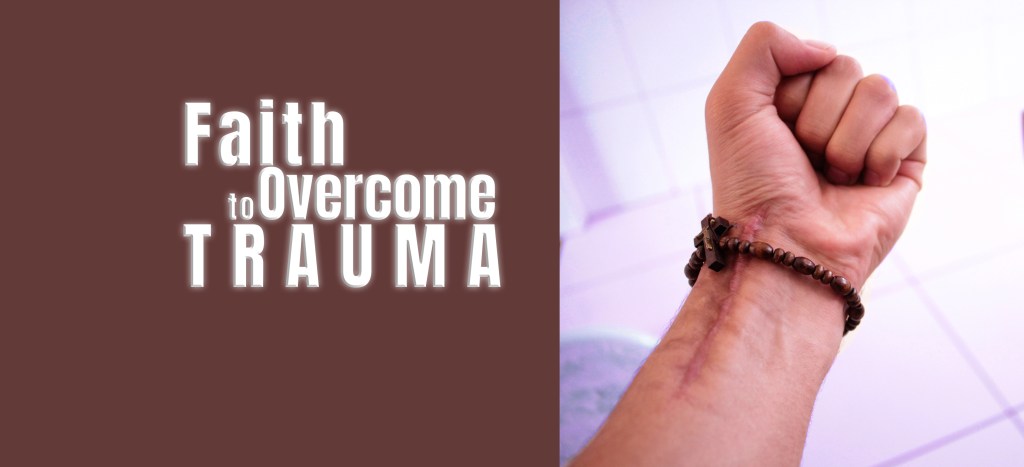
Editors note: This article addresses the spiritual side of healing and looking to God from a dark situation. It is not an endorsement. LaFASA maintains every person is different, has different beliefs, has autonomy, and anyone who has experienced trauma has the right to find their own, personal healing journey.
Trauma affects both the body and the mind. It changes you. After a traumatic experience, you are never exactly the same. But that does not mean the change defines you or has to weigh you down forever. You can heal from trauma. Counseling and therapy are important avenues for healing, but this article focuses on another side of healing: the spiritual side. It is about looking to God when you are in a dark place and asking the difficult question, “How could this happen if God exists?”
Trauma can show up in our emotions, our relationships, and our bodies. It can also affect our faith. The difficult questions about why God allowed something to happen can leave us feeling distant from Him. But, when terrible things happen, it can also become a time to allow yourself to find a pathway directly to God. It is not an easy task. It can be incredibly difficult to understand how God, who loves you more than you can possibly imagine, could allow something harmful to happen to you. Our world is far, far from perfect. Some days, it can seem as though there is nothing but violence, suffering, and things that are wrong or bad. This is the world we live in today. So let’s begin there. How can it be that God exists in a world like this? The evil we see is not here because God wants it to be. It exists because God allows us to live in a world where we have the ability to choose Him. We have free will to choose God. Without free will, we cannot truly choose peace. We cannot truly choose love. And we cannot truly choose God. When we trust in God, we can find a peace that this world cannot give.
If you are having trouble understanding how to get to that point, or if prayer alone does not seem to be helping, you may need additional support. Faith-based trauma healing is an excellent avenue to consider. Faith does not erase what happened, and it does not replace treatment. For many people, however, faith becomes an important source of strength during recovery.
Faith-based trauma healing is counseling that uses established, research-supported approaches to treating trauma while also welcoming God into the healing process. Your counselor brings clinical training and an understanding of how trauma affects the brain and body. You bring your story, your questions, your pain, and your relationship with God. An independent faith and trauma-informed counselor is not concerned with a particular denomination or rules of religion; they make it about your relationship or finding a relationship with God.
Prayer and Scripture can be part of the counseling process when you want them to be. They are not used to rush you through your healing or to replace appropriate mental health care.
Faith support can be valuable because it gives you a place to bring your questions—to your counselor and to God. You can bring your pain, your doubts, and even the feelings of abandonment you may be experiencing. A counselor can help you work through those feelings rather than asking you to simply push them aside.
Counseling can include reflecting on what God says about your worth, how amazing you are, and if you’re Christian, your identity in Christ. It can also provide a place to work through forgiveness, which is a meaningful part of the Christian life. Just a note to keep in the forefront: forgiving does not mean excusing the harm. It does not mean pretending that what happened did not matter. And it does not mean returning to an unsafe person. But, it can be a way to shed weight and be able to take steps forward. A trauma-informed Christian counselor can help you understand what forgiveness can look like for you and how it could become part of your healing journey.
Overcoming trauma through faith in God does not require you to forget, excuse, or understand what happened. It means learning how to carry what happened differently, healing by finding a path toward peace, hope, and being well with God.