
published at: https://www.neefusa.org/story/health-and-environment/how-greening-communities-can-reduce-violence-and-promote-health
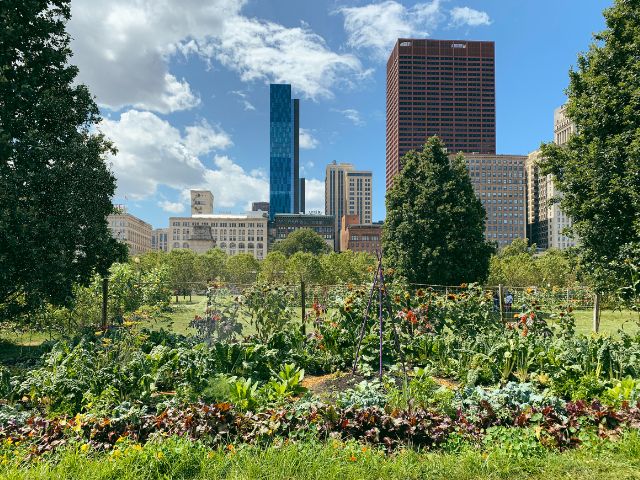
Recent studies have explored the health benefits of nature and how green space supports environmental justice while reducing community violence.
Research published in 2022 analyzed data from the 301 largest cities in the United States to investigate the relationship between different types of crime and urban green space. The study found that greater amounts of green space were associated with lower incidences of property theft and fewer violent crimes.
Similarly, a 2021 study by Michigan State University found that the greener a city is, the fewer homicides were recorded over a 30-year period. Data from 290 American cities between 1986 and 2015 was analyzed as part of the study.
Research by the University of Virginia in 2020 found that appropriately designed and maintained green space has the potential to reduce violent crime and gun violence, while making communities safer and keeping residents healthier. However, existing green space that is neglected can help crime take root.
In 2019, researchers studying a community engagement program in Flint, Michigan, found that neighborhood improvement efforts that get local residents involved can be an effective violence prevention strategy. Community-engaged greening of vacant lots was associated with nearly a 40% reduction in assaults and total violent crime. A similar study focused on Youngstown, Ohio, was published in October 2022 that supported the earlier findings.
A 2018 study showed that greening interventions such as mowing or fencing vacant lots significantly reduced violent crime in Philadelphia by as much as 30%, reduced people’s fear of going outside due to safety concerns by 58%, and increased people’s use of outside space by 76%.

