
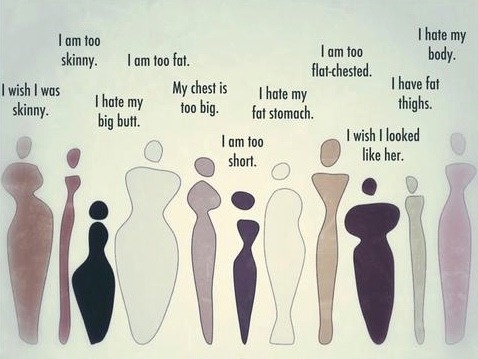
Body shaming can leave emotional scars and many of us shame ourselves, regardless of our size. With the right strategies, you can rebuild your self-esteem and develop a healthier relationship with your body. Here are some ways to overcome the effects of body shaming:
Develop Self-Compassion
- Practice Self-Love: Treat yourself with kindness and compassion. Shift your focus to your strengths and qualities that make you unique. Daily affirmations and self-acceptance exercises can help foster a more positive relationship with yourself.
- Forgive Yourself for Negative Self-Talk: Body shaming can cause people to internalize negative messages about their appearance, leading to harsh self-criticism. When you catch yourself engaging in negative self-talk, gently remind yourself that those thoughts aren’t facts, and try to reframe them with kindness. It’s okay to have difficult days, but over time, replacing negative thoughts with positive ones can help break the cycle of shame.
Focus on Health and Well-being (not weight)
- Shift Your Focus to Health, Not Appearance: Instead of fixating on appearance or weight, try to focus on how your body feels and what it can do. Incorporate physical activity, nutritious eating, and self-care practices that make you feel strong, energized, and confident, rather than aiming for an aesthetic goal.
- Health at Every Size (HAES): This approach emphasizes that people can pursue health and well-being at any size and focuses on behaviors that support overall health (like regular movement, balanced nutrition, and stress management) rather than trying to conform to a specific body shape.
Rebuild Your Self-Esteem
- Practice Gratitude for Your Body: Make a habit of acknowledging and being grateful for what your body does for you every day, whether it’s allowing you to walk, dance, hug loved ones, or simply survive. This shift in focus from what your body looks like to what it can do can help create a healthier relationship with it.
Set Boundaries and Assert Yourself
- Address Body Shaming Behavior: People close to you may not understand that you have issues with your appearance. They may make comments about others to you, which in effect deepens your shaming because if that’s what they say about someone else, what are they saying about you behind your back? It’s toxic talk that can be addressed regardless of to whom it is directed. If someone close to you engages in body shaming, it’s important to set clear boundaries. You can assert yourself by letting them know how their comments make you feel and asking them to stop. For example, you might say, “I’d appreciate it if we could avoid conversations about weight or appearance. It’s not something I’m comfortable discussing.”
- Limit Exposure to Harmful Environments: If certain spaces or people consistently body shame you or others, it’s okay to distance yourself from them. Protecting your mental and emotional health is a priority, and creating safe environments for yourself is an important part of healing.
Practice Mindfulness and Body Neutrality
- Mindful Self-Reflection: Practices such as prayer, mindfulness, and journaling can help you become more accepting about your body without self-judgment. These practices allow you to observe your thoughts and emotions and cultivate a non-reactive and accepting attitude toward your body.
Take Small, Empowering Steps
- Redefine Your Relationship with Clothing: Wear clothes that make you feel comfortable and confident, regardless of societal opinions or trends. Dressing for yourself, rather than others, can be a powerful act of self-expression and confidence.
- Engage in Activities You Enjoy: Participate in activities and hobbies that make you feel good about yourself. Whether it’s dancing, painting, or hiking, engaging in activities you enjoy can shift the focus away from body appearance and toward personal fulfillment and joy.
Talk to Professional
- It doesn’t have to be a counselor or therapist: If you’re not into talking with a counselor or therapist, then that is not the right route for you. Finding professionals who can help you take in a healthy diet, dress so you feel confident, and participate in medical practices that are most beneficial to you could be all you need.
Overcoming the effects of body shaming requires self-compassion, patience, and a conscious effort to rebuild self-esteem. This is a change in lifestyle, not a temporary thing. By surrounding yourself with positive influences, seeking professional support, focusing on health rather than appearance, and setting boundaries, you can begin to heal from the trauma of body shaming. Embracing body diversity and practicing mindfulness can further help in fostering a more positive relationship with your body, enabling you to live a life free from shame and full of self-acceptance.
 LaFASA News