Recognizing When Life Feels Out of Control: Especially with holidays approaching

One of the most important skills we can develop is recognizing the subtle signs of struggling due to a loss of control in daily life. This could be you, a loved one, or a client. As holidays approach they tend to bring behavior shifts and changes that may not be immediately obvious—even to the person experiencing them. If thoughts or behaviors begin to veer in a direction that doesn’t make sense, then it’s a good time to do a self assessment.

Loss of control can manifest in various ways for those who’ve experienced trauma. A survivor might begin to feel as though they’re simply going through the motions, disconnected from their own decision-making. They may describe feeling like a passenger in their own life, or express confusion about how they ended up in certain situations. Sometimes, the “loop” returns. This is a cycle of living in the past, which can’t be changed. The ,”If I had only done this,” or “Why didn’t I just do that?” phrases may creep up. These phrases can plunge a trauma survivor into darker places.

Changes in decision-making patterns may appear as increased indecisiveness about simple choices, or conversely, impulsive decisions that seem out of character. A survivor might defer constantly to others’ preferences or struggle to articulate their own needs and wants. Financial instability could manifest, such as over spending. Shifts in relationships and boundaries often signal internal struggles with control. Alternatively, withdrawing from previously important relationships and activities is a more recognizable “red flag” behavior. Difficulty saying no and taking on too many commitments could be a sign of escape because the person becomes so overly involved, they do not feel a part of their own reality.

Disruptions in routine and self-care can indicate deeper issues. This might look like irregular sleep patterns, neglecting basic needs, or abandoning hobbies and interests that once brought joy.

Emotional numbness is another critical indicator. Survivors may describe feeling like they’re watching their life from outside themselves, or express difficulty connecting with their emotions.

Holidays come regardless and are celebrated by pretty much everyone; it’s hard to escape them. So, to deal with it, it’s best to create space to rebuild a sense of agency. Ask yourself or your loved one open-ended questions that invite reflection: “How am I feeling about the decisions I’m making?” or “What would feel right for you in this situation?”

Validate any experiences without judgment. Acknowledge that feeling out of control is a common response to trauma, not a personal failing. Identify even small areas where choice and autonomy can be exercised. 

If behavior causes you or a loved one to feel too overwhelmed, then seeking the help of a mental health professional may be the next step. Professionals can offer therapy, counseling, and medication. More than likely, these solutions are just temporary to get through a rough time. There is no shame in this process and it does not equate to being weaker than others – in fact, being able to embrace your need and take charge is a strength. 

Most importantly, be patient. Rebuilding a sense of control is a process, not an event. By staying attuned to these shifts and offering consistent, non-judgmental support, we can help ourselves or other survivors reconnect with their own power and agency—one small step at a time.
Healing and Hope: Understanding the Mental Health Impact due to Sexual Assault

As we observe Mental Health Awareness Month this May, we shed light on how survivors’ and advocates’ mental health is impacted. Sexual assault is a trauma that taxes a survivor’s mental and emotional capacity. The psychological impact roots into a person’s psyche, often manifesting in various mental health conditions that can persist long after the initial incident.

Survivors frequently experience a range of mental health challenges, including:

  • Depression*: Survivors are 2-3 times more likely to experience major depressive disorders compared to individuals who have not experienced sexual assault.
  • Post-Traumatic Stress Disorder (PTSD)*: Approximately 50% of sexual assault survivors develop PTSD at some point in their lives, compared to about 7.8% of the general population.
  • Suicide Risk*: Sexual violence survivors are significantly more likely to contemplate or attempt suicide, with nearly 33% of survivors reporting a suicide attempt in their lifetime.
  • Depression and Anxiety: The trauma can lead to deep-seated feelings of hopelessness, worthlessness, and persistent sadness. Anxiety disorders may develop, making it challenging to form relationships, maintain employment, or engage in previously enjoyed activities.
  • Dissociation and Emotional Numbness: We often immediately associate mental health with depression. But, many times mental health issues involve no emotion at all. In fact, as a coping mechanism, some survivors experience disconnection from their emotions or even from their own bodies, which can lead to physically harming oneself.

These issues are further compounded by external stressors, particularly financial challenges. Larger cities and rural areas in Louisiana are experiencing skyrocketing costs of living and seeing the buying power of their dollar exponentially diminish adding another layer of strain. Additional economic challenges directly related to recovery are also present as health care and mental health treatment outside of what our centers can provide is expensive and time-consuming, and not always covered by insurance. Trauma may impact job performance or one’s ability to maintain consistent employment. These pressures can exacerbate day to day challenges, creating a cycle of stress that impedes healing.

The goal to overcome and live without feeling crushed is possible. Coalition centers, while many times face the daunting reality of being understaffed, are there and are doing their best to ease the stress caused by trauma compounded by daily living.

Survivors can find additional resources that can provide ease of mind at the LaFASA website such as the most common questions asked, downloadable healing activity books and journals, brochures, a link to parish crisis centers and the statewide Helpline. The statewide text and chat helpline is worked by trained advocates who can provide resources, walk anyone through centering exercises or just “be there” for someone who needs to unload. 

The need to unload is not specific to survivors. Vicarious trauma is real and can be a heavy burden on the shoulders of those who offer their care. We often think of these people as super-human or “rocks.” While very strong, therapists, counselors, advocates and family members oftentimes need to unload. LaFASA’s Crisis Support Specialists want to help and encourage those who need their vessel filled, to contact them. In addition, Via Link can serve the same purpose for both advocate and survivor. These are quick, individual sessions that are confidential, anonymous, and free and may be the spark someone needs to have a better day.

However, if you or someone you know is feeling hopeless, and are thinking about suicide, know you are loved and important, simply for being you. There is help available by calling or texting 988 to reach the Suicide & Crisis Lifeline at any time. We support and encourage anyone’s decision to make that brave move and seek outside care. Although this message appears at the end of the article, it is by no means an afterthought. Your life matters, and we want you to truly know that!

Healing is not linear, and every survivor’s journey is unique. This May and beyond, we recognize mental health and extend compassion, understanding, and persistent advocacy as powerful tools in supporting positivity and recovery.

Remember, no survivor walks alone. There is hope, there is support, and there is healing.

*2025 CDC

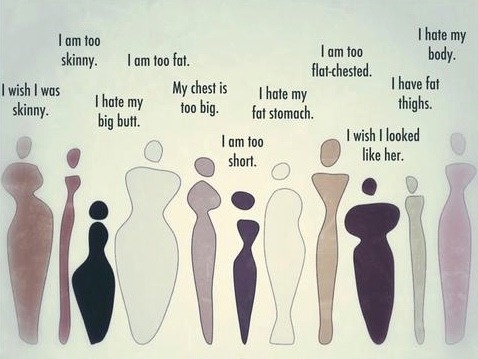
When we body-shame ourselves

Body shaming can leave emotional scars and many of us shame ourselves, regardless of our size. With the right strategies, you can rebuild your self-esteem and develop a healthier relationship with your body. Here are some ways to overcome the effects of body shaming:

Develop Self-Compassion
  • Practice Self-Love: Treat yourself with kindness and compassion. Shift your focus to your strengths and qualities that make you unique. Daily affirmations and self-acceptance exercises can help foster a more positive relationship with yourself.
  • Forgive Yourself for Negative Self-Talk: Body shaming can cause people to internalize negative messages about their appearance, leading to harsh self-criticism. When you catch yourself engaging in negative self-talk, gently remind yourself that those thoughts aren’t facts, and try to reframe them with kindness. It’s okay to have difficult days, but over time, replacing negative thoughts with positive ones can help break the cycle of shame.

Focus on Health and Well-being (not weight)

  • Shift Your Focus to Health, Not Appearance: Instead of fixating on appearance or weight, try to focus on how your body feels and what it can do. Incorporate physical activity, nutritious eating, and self-care practices that make you feel strong, energized, and confident, rather than aiming for an aesthetic goal.
  • Health at Every Size (HAES): This approach emphasizes that people can pursue health and well-being at any size and focuses on behaviors that support overall health (like regular movement, balanced nutrition, and stress management) rather than trying to conform to a specific body shape.
Rebuild Your Self-Esteem
  • Practice Gratitude for Your Body: Make a habit of acknowledging and being grateful for what your body does for you every day, whether it’s allowing you to walk, dance, hug loved ones, or simply survive. This shift in focus from what your body looks like to what it can do can help create a healthier relationship with it.
Set Boundaries and Assert Yourself
  • Address Body Shaming Behavior: People close to you may not understand that you have issues with your appearance. They may make comments about others to you, which in effect deepens your shaming because if that’s what they say about someone else, what are they saying about you behind your back? It’s toxic talk that can be addressed regardless of to whom it is directed. If someone close to you engages in body shaming, it’s important to set clear boundaries. You can assert yourself by letting them know how their comments make you feel and asking them to stop. For example, you might say, “I’d appreciate it if we could avoid conversations about weight or appearance. It’s not something I’m comfortable discussing.”
  • Limit Exposure to Harmful Environments: If certain spaces or people consistently body shame you or others, it’s okay to distance yourself from them. Protecting your mental and emotional health is a priority, and creating safe environments for yourself is an important part of healing.
Practice Mindfulness and Body Neutrality
  • Mindful Self-Reflection: Practices such as prayer, mindfulness, and journaling can help you become more accepting about your body without self-judgment. These practices allow you to observe your thoughts and emotions and cultivate a non-reactive and accepting attitude toward your body.
Take Small, Empowering Steps
  • Redefine Your Relationship with Clothing: Wear clothes that make you feel comfortable and confident, regardless of societal opinions or trends. Dressing for yourself, rather than others, can be a powerful act of self-expression and confidence.
  • Engage in Activities You Enjoy: Participate in activities and hobbies that make you feel good about yourself. Whether it’s dancing, painting, or hiking, engaging in activities you enjoy can shift the focus away from body appearance and toward personal fulfillment and joy.
Talk to Professional
  • It doesn’t have to be a counselor or therapist: If you’re not into talking with a counselor or therapist, then that is not the right route for you. Finding professionals who can help you take in a healthy diet, dress so you feel confident, and participate in medical practices that are most beneficial to you could be all you need.

Overcoming the effects of body shaming requires self-compassion, patience, and a conscious effort to rebuild self-esteem. This is a change in lifestyle, not a temporary thing. By surrounding yourself with positive influences, seeking professional support, focusing on health rather than appearance, and setting boundaries, you can begin to heal from the trauma of body shaming. Embracing body diversity and practicing mindfulness can further help in fostering a more positive relationship with your body, enabling you to live a life free from shame and full of self-acceptance.