
In Louisiana, it’s hard to escape the effects of hurricanes. Even communities that are miles inland or at the top of the boot may experience down-graded, yet significant weather or may house friends and family who are seeking refuge from the direct path of an oncoming storm. Natural disasters can have a big impact on victims of sexual and domestic violence.
According to the U.S. Department of Health and Human Services website, studies indicate that there are increases in domestic violence and sexual assault in association with natural disasters. Prior to June there is opportunity to assess and better prepare for future disasters. BUT, if you’re reading this and it’s already hurricane season, don’t worry; right now is the time to make your personal disaster preparedness plan and have intermittent drills. A plan is immensely beneficial for those who struggle from a previous traumatic episode or have experienced sexual assault, and can prevent sexual assault from happening in a disaster. Not knowing what to do builds anxiety on top of an already stressful situation, and planning can mitigate that type of response.
LaFASA offers these suggestions:
- Arrange in advance a place you can seek adequate shelter with someone you trust and where you feel safe. It may be with family, with a friend, a church member, a co-worker, a place recommended by an advocate, etc.
- Know how you will get to this place. If it’s in a different city, ensure your transportation is reliable. If it’s not, work with outside resources (friends, family, advocates) to be able to get where you want to go. If your only option is public transportation or a ride-share program, you must evacuate early enough so that you don’t find yourself in a compromised situation. Address this with your employer so that they are aware that you may need time off earlier than other employees.
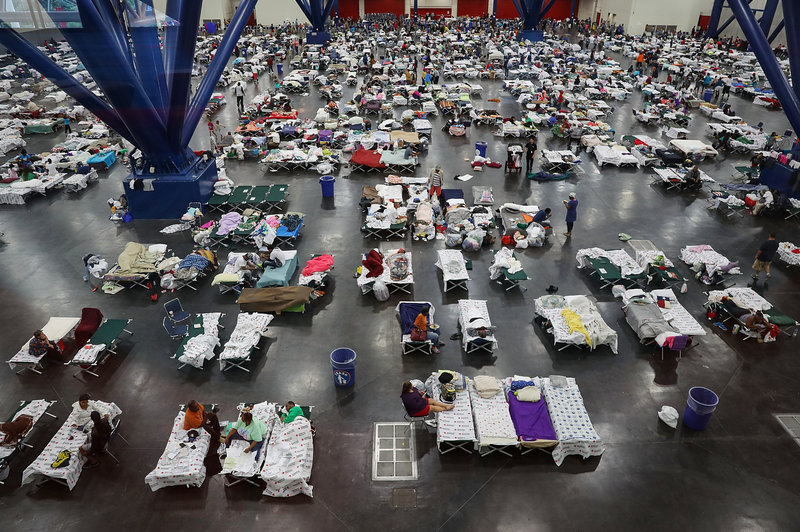
- Shelters should always be considered a final option. Shelters are generally set up by local government and organizations such as the ARC, the Salvation Army, or churches. Survivors of sexual assault should be aware that displacement from your home along with the lack of privacy and the uncertainty of the people in a shelter can be re-traumatizing.
- If you have documentation of a sexual assault protective order, or any other necessary paperwork, have it readily available to bring with you.
- Always have the number of someone you feel comfortable talking with in your contact list. Most parishes in Louisiana have a local sexual assault crisis center. Your local center’s number is a must to have in your contact list. Each accredited center number can be found at LaFASA.org. However, keep in mind that your local center may be compromised as well, due to the disaster. The LaFASA Helpline via text: 225-351-SAFE (7233), chat: lafasa.org or talk: 888-995-7273 and RAINN’s national helpline – 800-656-HOPE (4673) are great resources to have, especially if a disaster effects a large scale area of the state. Cell phone service is often crippled during a disaster. Don’t be afraid to ask if there is a landline.
We would like to bring to mind for employers that when it comes to a person’s safety, there should be no debate in allowing adequate time off from work. If an employee’s plan involves being out of town, then please understand, this is probably the best option for that person. Regardless of an employee’s circumstances or experiences, employers must always put people’s safety first without threat to employment.
Something to always remember is that most shelters are operated with volunteers, sometimes their training is limited due to logistical circumstances. This means that some volunteers may not be familiar with trauma-informed responses or protocol. Many times, shelters continue to house evacuees for days on into weeks after the disaster.
Organizations operating shelters should always vet in advance anyone who enlists to volunteer at a shelter and understand that conditions can present opportunity for sexual predators. With appropriate preparation, shelters can prevent nefarious actions. LaFASA offers a brief list of recommendations for any organization that serves as a shelter during a disaster:
• Ensure that evacuees are supplied with information about how to report sexual abuse or assault.
• Ensure that all security, responders, staff and volunteers are briefed on sexual assault response procedures including who to contact, where to bring the victim and his/her chosen support people, and how to ensure privacy and confidentiality; offer this information during mandatory trainings and orientations.
• Train shelter staff and volunteers that disasters may cause re-traumatization to survivors and survivors may need counseling from rape crisis professionals or advocates
• Ensure that private spaces are created for individuals who wish to report sexual assault and seek assistance.
LaFASA and NSVRC have created a guide to assist partners in the development of practices and policies for the prevention of, and the optimal response to, sexual assault during and following disasters. This book provides much more extensive detail to the brief recommendations listed above. The guide provides agencies recommendations to develop a comprehensive plan that activates prevention and response to sexual violence during disasters. This guide book is available free of charge to any organization involved with disaster response. Please contact LaFASA to have a copy shipped to your organization. Contact information is 225-372-8995 or kelli@lafasa.org.
 LaFASA News